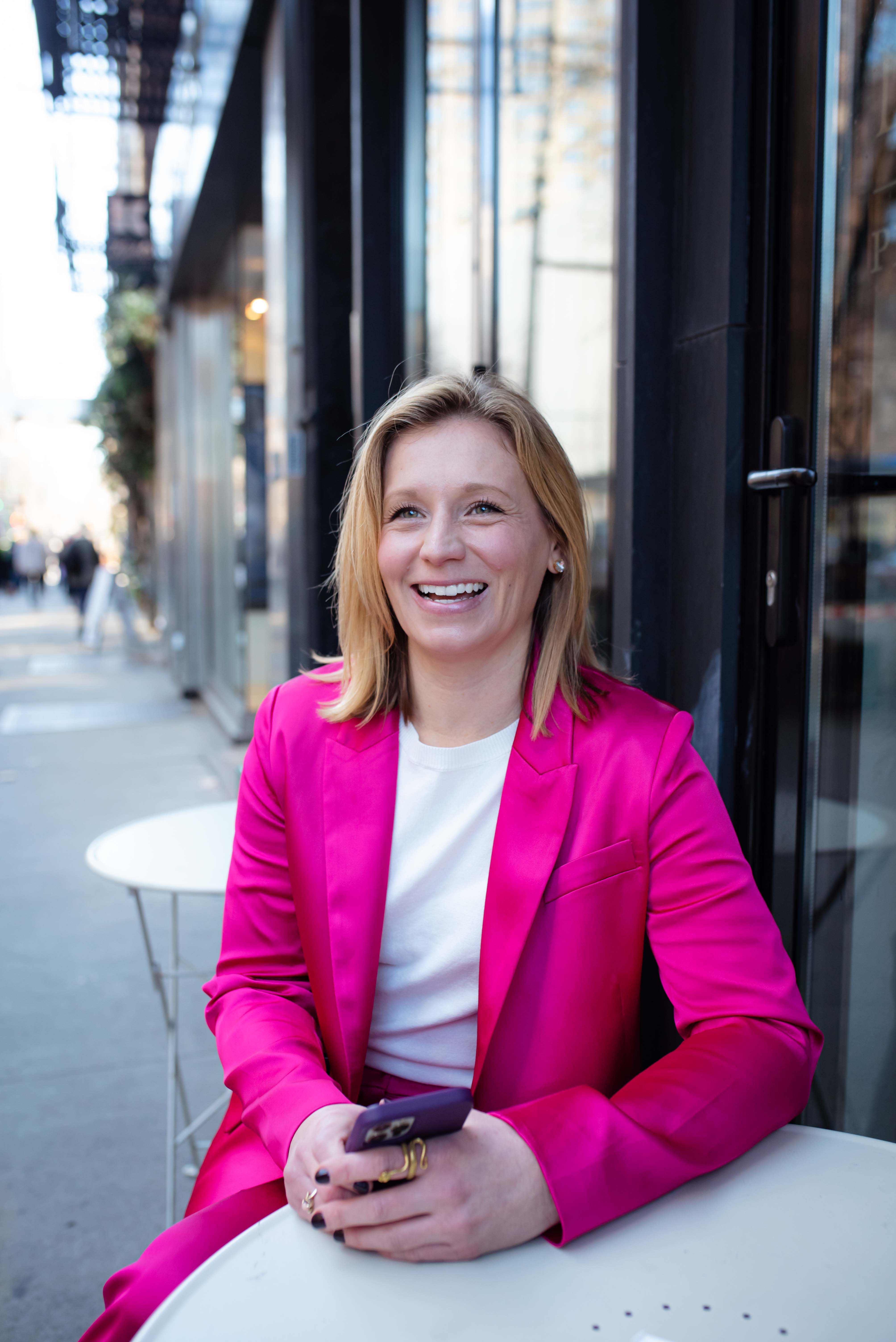
get products and companies off the ground.

Built the first supplemental fertility insurance product in the US.

Designing an AI-native site optimization workflow in health media.

Ready for the next one.

Products launched 0 → 1 × 3in health, insurance, and AI
First to market Fertility insurancein the US
Background DPT + PhDClinical Research
Writing The Final UpdateFounder shutdowns series
§ 01 — Selected Work Three chapters

How we built the first AI-native site optimization workflow in consumer health media.

RVO Health reaches 70M+ monthly users across Healthline, Optum Now, and Healthgrades. Optimizing a site of that size requires both acquisition and conversion, but with most resources locked into maintenance, few knew where the site was bleeding or by how much.

I'm leading product strategy and execution for a system that identifies stale content, prioritizes refreshes by traffic, and routes drafts through an AI-assisted review pipeline, built across engineering, editorial, and the AI/ML team. Designed to measure what matters: content refresh velocity, organic traffic recovery, and time-to-test. Launching Q3 2026.

Outcome

The team can now refresh content and UX at a scale that wasn't possible before. The workflow became the template for AI-assisted site optimization across the portfolio.

The first supplemental fertility insurance product in the US.

Progyny partners with employers to cover fertility and family building, but only self-insured employers could offer the benefit. Fully insured groups were locked out; their coverage had to come bundled with their health plan. The small and mid-market sat there as a white space, with no product to reach them.

I led development of Progyny's first supplemental fertility insurance product, from market research and regulatory strategy through build, pricing, and launch — working directly with actuaries, legal, insurance carriers, and the clinical team. My clinical research and founder background let me speak the clinical language and the business language in the same room. I hired and managed a 21-person cross-functional team through launch.

I defined the go-to-market strategy targeting 2M covered lives and identified a pregnancy monitoring program opportunity with network providers (a new revenue line launched during the same period).

Outcome

Opened a new revenue channel and brought fertility benefits to >250,000 fully insured employees for the first time, in a market segment Progyny had never reached.

Fertility data was everywhere without a layer to connect it.

Fertility patients generate enormous amounts of data  (hormone panels, cycle tracking, imaging, genetic results) across completely disconnected systems (wearables, EHR, portals). Clinics couldn't use it, patients couldn't own it, and researchers couldn't access it. There was no shared data layer for fertility care. As someone trained in clinical research and a healthcare provider, this felt like an obvious and solvable problem.

I founded Bunnii to build that layer. I validated the problem through 100+ customer interviews and 1,000+ surveys, launched an MVP within 3 months, and iterated based on user feedback. I led product, fundraising, and go-to-market; hired and led a contract design and engineering team; partnered with clinics; and worked through the regulatory path.

Outcome

Raised a $750K pre-seed round. Learned firsthand what breaks in regulated markets and brought that founder's instinct into every product role since.

§ 02 — About First person

I started as a clinician. I trained as a physical therapist, worked with patients, and got close enough to the healthcare system to see exactly where it was breaking down. Then I went back for a PhD in clinical research, focusing on the discipline of taking what science knows and making it actually useful in the real world. Somewhere in that process I realized the real gap was in the products connecting them.

That's when I became a product builder.

My career since has followed a single logic: find the gap in health that no one has built for yet, then build the thing. I founded Bunnii because fertility data was completely fragmented and I knew exactly what that cost. At Progyny, the gap was supplemental fertility insurance: no product existed for small to mid-market employers outside the standard employer plan. We built the first one. At RVO Health, it's an AI system for how 70M+ monthly readers get medically reviewed content.

I'm most useful at the start of things, when the problem is clear but the path isn't, and the team is small enough that everyone's decision matters. I've done this work inside companies and as a founder. I know what it feels like when there's no playbook.

I also interview founders who shut down their companies. The series is called The Final Update. I started it because the most useful things anyone ever told me about building came from people talking about failure.

Testimonial
"Meredith possesses a unique combination of strategic vision, clinical acumen, and leadership skills that sets her apart from other operators in digital health. She excels at bridging the gap between the technical intricacies of healthcare and the broader business strategy — those of us who've worked with her would gladly continue working with her in any capacity."
Naomi Yudanin, PhD — Head of AI & Data, Junction
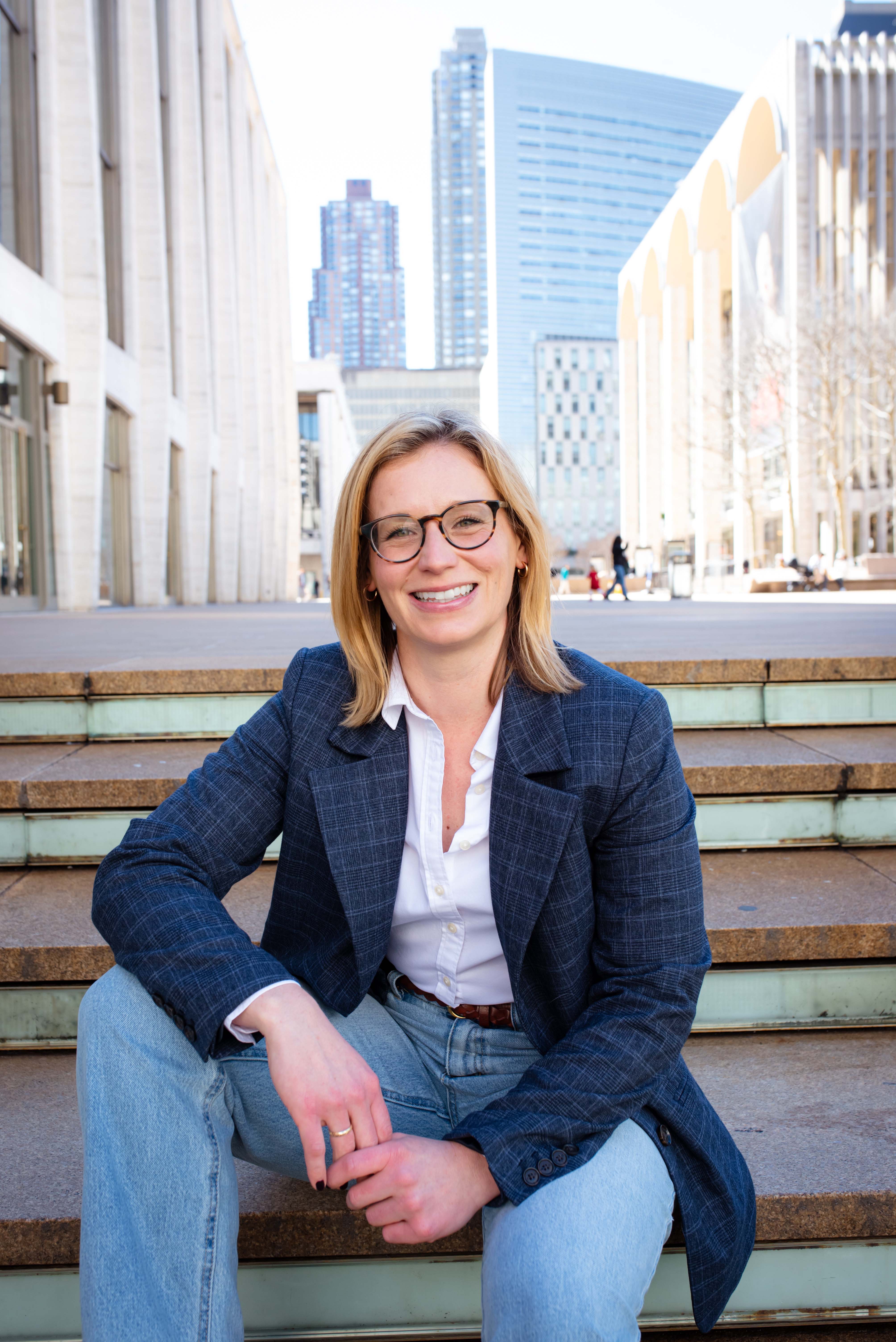
Portrait of Meredith Brunette
§ 03 — Writing Field notes

The Final Update.

Founder interviews. After shutdown, without the comeback story.

Shutting down a startup is a human event, and almost no one talks about what it was actually like. Each week I sit with a founder who closed their company and hear what happened and what they learned.

Read on Substack
§ 04 — Contact Let's talk

Let's talk.

If you're working on something that fits. A 0→1 product, a founding team forming, a hard problem in health or AI, I'd like to hear about it.